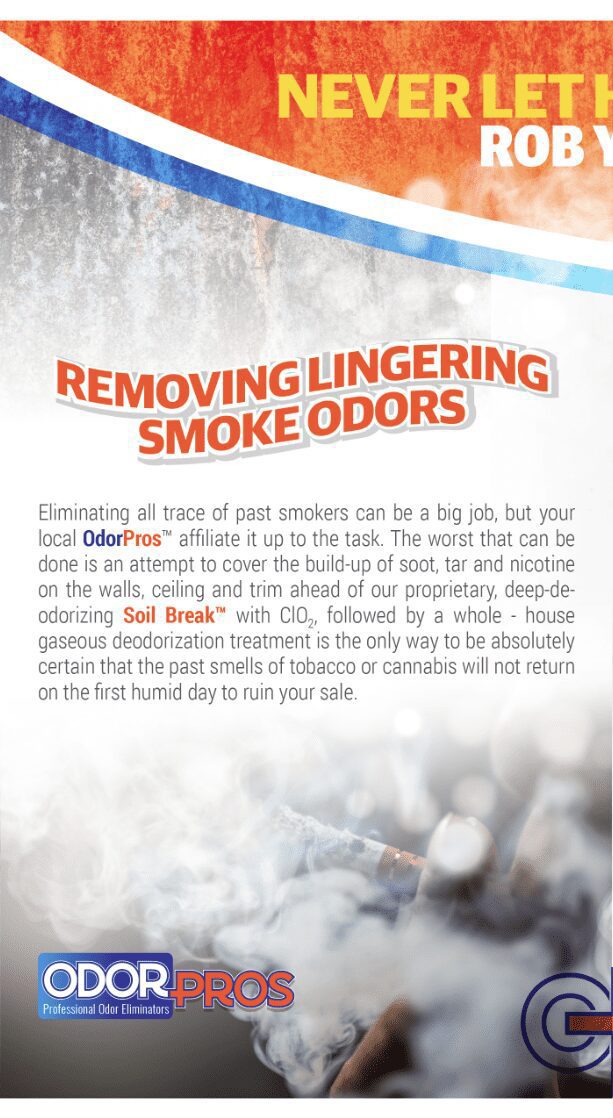


The Source and Environmental Impact of Smoke Odor
Smoke odor originates from the combustion of organic materials such as wood, paper, textiles, and tobacco. During combustion, microscopic particulate matter and volatile organic compounds (VOCs) are released into the air. These particles are not passive; they migrate, penetrate porous materials, and chemically bind to walls, furniture, carpeting, insulation, and HVAC systems.
Once embedded, smoke particles continuously off-gas back into the environment, creating a persistent odor and a measurable decline in indoor air quality. Unlike surface-level dirt, smoke contamination is atmospheric and structural. Standard cleaning may improve appearance but often leaves the odor—and the pollutants—intact.
From an environmental standpoint, lingering smoke odor signals compromised air circulation and contamination reservoirs within the building envelope. Occupants intuitively interpret this as “unclean,” which influences comfort, trust, and willingness to occupy the space.
Health Risks Associated With Office Smoke Exposure
Smoke exposure in enclosed office environments is a documented occupational health concern. Fine particulate matter (PM2.5) and combustion byproducts irritate mucous membranes, triggering symptoms such as eye irritation, sore throat, headaches, and chronic coughing.
For individuals with asthma, allergies, COPD, or cardiovascular conditions, smoke exposure can significantly worsen symptoms. Long-term or repeated exposure has been associated with increased risks of respiratory disease, reduced lung function, heart disease, and certain cancers.
Even in individuals without pre-existing conditions, degraded air quality increases fatigue, reduces oxygen efficiency, and negatively impacts cognitive performance. Clean air is not a perk—it is a baseline requirement for a functional workplace.
Enhancing Workplace Air Quality Through Remediation
Improving indoor air quality requires more than ventilation alone. While fresh air exchange is important, it does not neutralize embedded smoke particles already bonded to surfaces.
Effective air-quality improvement strategies include:
• Targeted odor neutralization that chemically breaks down smoke compounds
• HVAC system inspection and decontamination
• Use of advanced air purification technologies capable of capturing ultra-fine particulates
• Removal or treatment of contaminated porous materials
• Ongoing maintenance to prevent re-contamination
When smoke odor is properly addressed at the molecular level, offices experience measurable improvements in air clarity, occupant comfort, and overall environmental quality.
Preventing Respiratory Issues in the Workplace
Respiratory health in offices is directly tied to airborne pollutant control. Smoke residue acts as a continuous irritant, particularly when combined with dust, mold spores, or industrial pollutants.
Preventive strategies include consistent environmental monitoring, scheduled deep cleaning, proper ventilation balancing, and rapid intervention when odor or air-quality changes are detected. Encouraging breaks, maintaining humidity control, and educating employees on indoor air awareness further reduce respiratory strain.
A clean breathing environment is one of the most cost-effective health protections an organization can provide.
How Smoke Odor Impacts Employee Productivity

Poor air quality quietly sabotages productivity. Studies consistently show that employees working in clean-air environments demonstrate improved focus, faster decision-making, and reduced absenteeism.
Smoke odor contributes to:
• Mental fatigue and distraction
• Increased sick days
• Lower morale and job satisfaction
• Reduced perception of workplace professionalism
Conversely, eliminating smoke odor improves alertness, comfort, and overall performance—often without employees consciously realizing why they feel better.
Improving Overall Office Cleanliness and Perception
Cleanliness is not limited to what employees see—it includes what they breathe. Smoke residue settles invisibly on desks, electronics, and flooring, contributing to surface contamination and odor persistence.
Professional odor remediation removes contaminants that standard janitorial services cannot reach. This elevates not only hygiene but also the perceived credibility of the workplace. Clean air signals operational competence, attention to detail, and respect for employee well-being.
Enhancing Workplace Comfort Levels
Comfort is the intersection of air quality, lighting, acoustics, and ergonomics. Smoke-free air reduces headaches, eye strain, and fatigue while improving thermal comfort and respiratory ease.
When employees are physically comfortable, they engage more deeply with their work, collaborate more effectively, and experience lower stress levels. Comfort is not indulgence—it is infrastructure for performance.
Minimizing Fire and Safety Risks
Persistent smoke odor can also indicate residual fire byproducts or ongoing exposure to combustion sources. Smoke particles increase fire risk by settling on flammable surfaces and infiltrating electrical equipment.
Best practices include:
• Regular inspections of electrical systems
• Removal of smoke-contaminated materials
• Proper storage of flammable supplies
• Functional smoke detection and fire suppression systems
• Employee fire-safety training
Early odor detection often prevents larger safety failures later.
Prolonging the Lifespan of Office Equipment
Smoke particles are abrasive and corrosive at the microscopic level. When drawn into computers, printers, and HVAC systems, they accelerate wear, clog airflow, and shorten equipment life.
Maintaining clean air reduces maintenance costs, improves equipment reliability, and protects long-term capital investments. Clean environments are simply easier on machines.
Conclusion: Clean Air Is Strategic Infrastructure
Smoke odor in offices is not merely unpleasant—it is a visible symptom of invisible risk. Left untreated, it compromises health, productivity, safety, and operational longevity. Addressed correctly, it transforms workplaces into healthier, higher-performing environments.
Clean air is not cosmetic. It is foundational.
(FAQS)
1. Why does smoke odor last so long indoors?
Because smoke particles chemically bond to porous materials and continuously off-gas back into the air.
2. Can regular cleaning remove smoke smell?
No. Standard cleaning removes surface dirt but does not neutralize embedded smoke compounds.
3. Is smoke odor harmful even if no one smokes?
Yes. Residual smoke particles can remain long after the source is gone.
4. Does smoke odor affect productivity?
Yes. Poor air quality reduces focus, increases fatigue, and raises absenteeism.
5. Can HVAC systems spread smoke odor?
Absolutely. HVAC systems can redistribute smoke particles throughout a building.
6. Are air fresheners effective against smoke smell?
No. They mask odors without removing the source contaminants.
7. Can smoke exposure worsen asthma at work?
Yes. Smoke particles are a known respiratory trigger.
8. Does smoke odor increase fire risk?
It can, especially when residue accumulates on flammable surfaces and equipment.
9. How does smoke affect office electronics?
Particles clog ventilation, increase heat, and shorten equipment lifespan.
10. When should professional odor remediation be used?
Whenever smoke odor persists beyond basic cleaning or affects indoor air quality.