Pet Odors: Why They’re So Hard to Get Rid Of
If you’ve ever walked into a home and instantly smelled “pet”… you know.
That odor isn’t just on the surface—it’s embedded.
Pet odors come from:
- Urine crystals
- Skin oils and dander
- Bacteria breaking down organic material
And here’s the key problem:
👉 These compounds soak deep into carpet, padding, subflooring, upholstery, and even air systems.
So even after cleaning…
They come back.
Why Pet Odors Are a Bigger Problem Than Most People Realize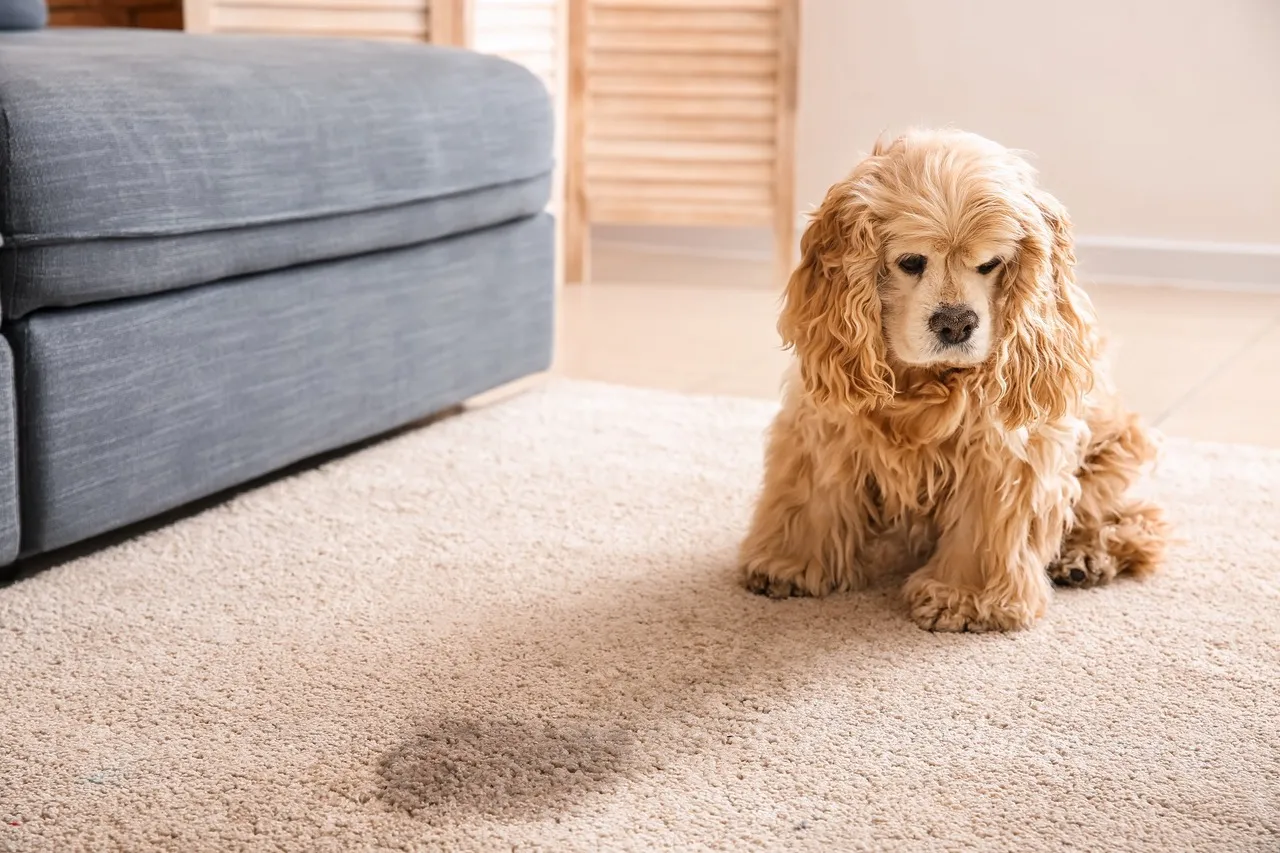
Pet odors affect more than just smell:
- Indoor air quality (IAQ) declines
- Home value drops (especially during resale)
- Rental turnover becomes harder
- Guests and buyers notice immediately
In Maine’s climate—where homes are often closed up for long periods—these odors can intensify and linger even longer.
What feels “normal” to the homeowner is often overwhelming to visitors.
Real-World Scenario: The “Clean House That Still Smells”
A homeowner in Winterport has two dogs. They:
- Vacuum regularly
- Use sprays and candles
- Wash pet bedding
The home looks spotless.
But during a showing…
Buyers immediately notice a strong pet odor.
Inspection reveals:
- Urine saturation in carpet padding
- Odor embedded in HVAC airflow
- Microbial buildup in high-use areas
Now it’s not a cleaning issue—it’s an odor contamination issue.
Why DIY Pet Odor Removal Fails
Most DIY solutions fall short because they only treat the surface:
- ❌ Sprays mask the smell
- ❌ Vinegar/baking soda neutralize temporarily
- ❌ Standard cleaners don’t break down odor molecules
Meanwhile, the source remains active.
👉 That’s why the smell always comes back.
Also Read 📖Professional Musty Odor Removal in Maine: What Actually Works?

The Biggest Mistake Pet Owners Make
Thinking:
“If I clean it enough, it will go away.”
But odor doesn’t work like dirt.
It’s:
- Chemical
- Biological
- Embedded
Which means it requires a completely different approach.
Why This Matters More Than Ever Right Now
There’s been a shift in expectations:
- Buyers are more sensitive to odor
- Renters expect clean, neutral-smelling spaces
- IAQ awareness is rising
- Pet ownership is increasing
That combination makes pet odor one of the top deal-breakers in homes today.
What True Pet Odor Removal Actually Looks Like
Real odor removal means:
✔ Finding the source
✔ Breaking down odor compounds
✔ Removing contamination from materials
✔ Treating the air
✔ Preventing recurrence
At Maine OdorPros, the focus is simple:
We don’t mask pet odors—we eliminate them at the source.
Final Thoughts: If You Can Smell It, It’s Still There
Pet odors don’t fade on their own.
They build, spread, and embed deeper over time.
But with the right approach, they can be fully eliminated—restoring:
- Clean air
- A comfortable home
- Property value
- Confidence for guests, buyers, or tenants
👉 If you’re dealing with persistent pet odors in Maine, don’t keep cleaning around the problem.
Fix it at the source.
Also Read 📖Why ClO2 Can’t Be Beat for Odor and Allergen Trigger Removal
FAQs
1. Why do pet odors keep coming back after cleaning?
Because the source—like urine crystals or bacteria—remains embedded in materials.
2. What is the best way to remove pet urine smell?
Professional odor removal that breaks down and removes the source at a molecular level.
3. Do enzyme cleaners work?
Yes, but only when applied correctly and deeply enough to reach the source.
4. Can pet odors get into walls and floors?
Yes, especially in cases of repeated exposure or accidents.
5. Will replacing carpet fix the smell?
Not always—odor can remain in the subfloor beneath.
6. Are pet odors harmful?
They can impact indoor air quality and comfort, especially for sensitive individuals.
7. How long does pet odor removal take?
It depends on severity, but most cases take from a few hours to a couple of days.
8. Can HVAC systems spread pet odors?
Yes, odors can circulate through air ducts and ventilation systems.
9. What’s the difference between masking and eliminating odors?
Masking covers smells temporarily; elimination removes the source permanently.
10. When should I call a professional?
If odors persist after cleaning or are noticeable to others, it’s time.