How Do You Permanently Remove Musty Odors From Your Home?
The Truth About Musty Odors: It’s Not Just a Smell
That musty smell in your home? It’s not just “stale air.”
It’s a signal.
In Maine homes—especially basements, older properties, and seasonal residences—musty odors are typically caused by moisture-driven microbial activity. That means mold spores, bacteria, and organic decay are actively producing odor compounds.
And here’s the part most people miss…
👉 If you can smell it, the source is still there.
Air fresheners, candles, and DIY sprays don’t fix the problem—they just temporarily cover it up.
Real odor removal starts at the source.
Why Musty Odors Are a Bigger Problem Than You Think
Musty odors aren’t just about comfort—they impact:
- Indoor air quality (IAQ)
- Property value and buyer perception
- Tenant satisfaction and retention
- Health-sensitive environments (especially for allergy sufferers)
According to environmental health data, up to 30% of adults and 40% of children are sensitive to airborne irritants, many of which are linked to microbial activity and damp environments.
In today’s market, buyers and renters are more aware than ever:
A musty smell can delay or kill a sale instantly.
Also Read 📖What Causes Musty Odors in Homes—and How Can You Eliminate Them?
The Hidden Basement Problem
A homeowner in Bangor notices a mild musty smell in the basement. They try:
- Dehumidifiers
- Baking soda
- Scented sprays
The smell fades… temporarily.
But during a home showing, buyers immediately pick up on it.
Inspection reveals:
- Moisture intrusion behind walls
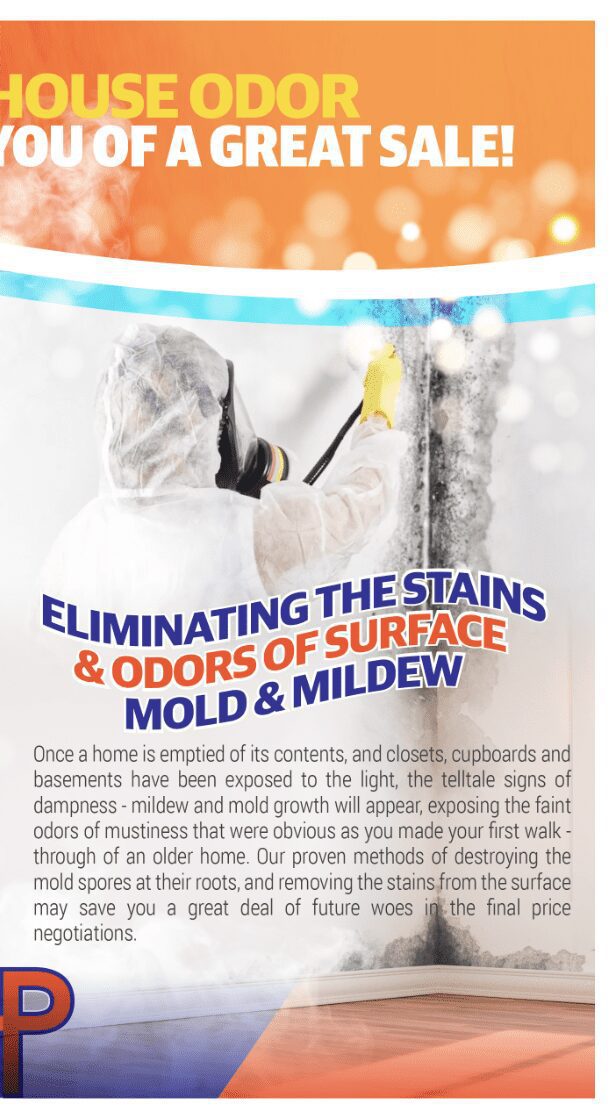
- Early-stage mold growth
- Odor saturation in porous materials
Now the issue is no longer cosmetic—it’s a negotiation point.
This is exactly where professional odor removal changes the outcome.
The Biggest Misconception: “If It Smells Better, It’s Fixed”
This is where most DIY approaches fail.
Covering odors ≠ removing them.
- Air fresheners mask
- Sprays dilute
- DIY cleaners treat surfaces only
But odor molecules embedded in materials and airspace remain.
That’s why musty smells often come back stronger.
Also Read 📖Why Do Hard Surfaces Smell Even When They Look Clean?
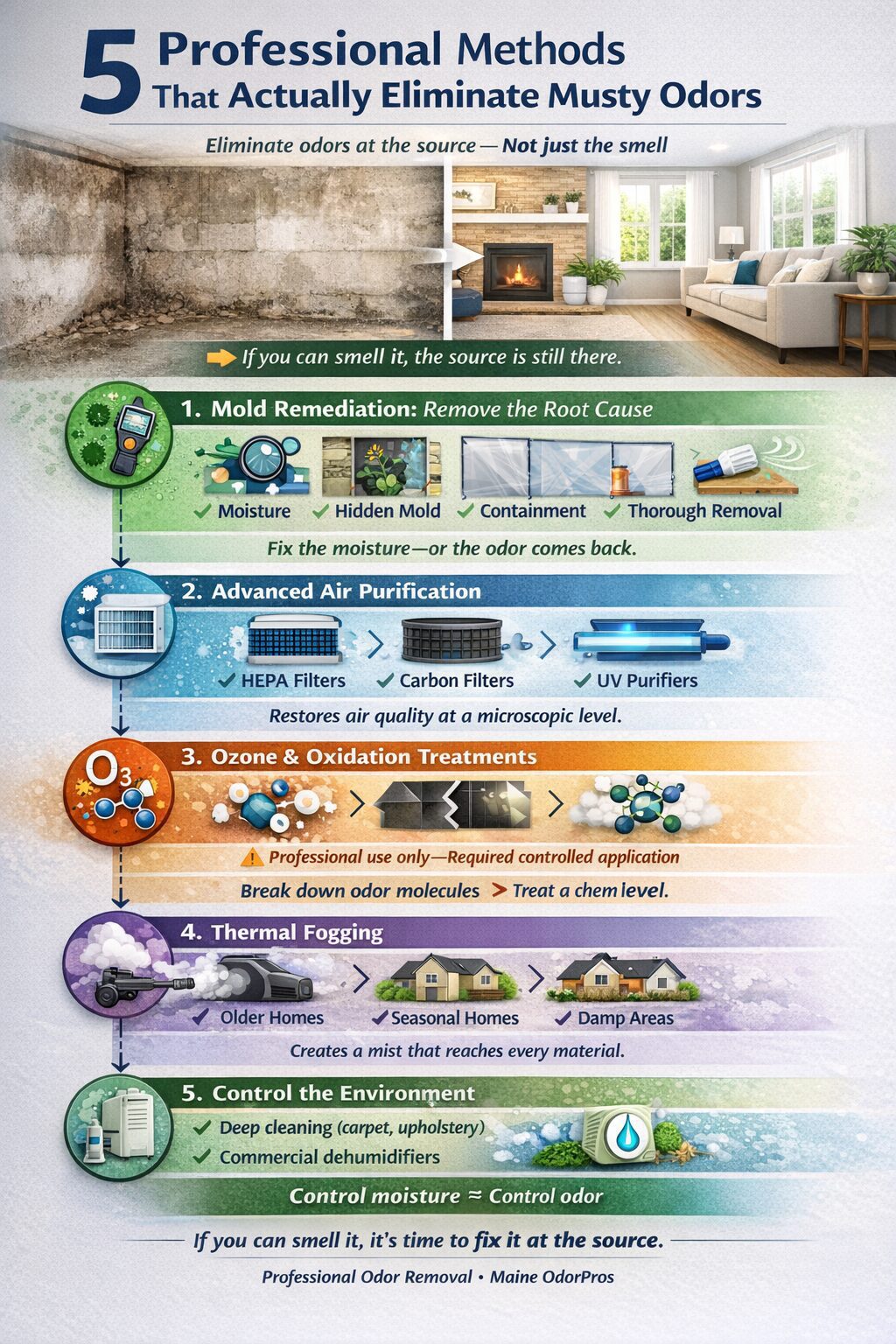
Why Professional Odor Removal Works (When DIY Doesn’t)
Professional odor remediation is different because it:
✔ Targets the source, not just the symptom
✔ Uses equipment designed for whole-space treatment
✔ Addresses air, surfaces, and hidden materials
✔ Controls the environment to prevent recurrence
At Maine OdorPros, the approach is simple:
Eliminate the odor at its source—don’t cover it up.
Also Read📖What Causes Mold Growth in Homes? | OdorPros Mold Odor Experts
Why This Matters More Than Ever Right Now
There’s a shift happening.
- Buyers are more sensitive to indoor air quality
- Rental expectations are higher
- Health awareness is driving decision-making
- Hidden odor issues are becoming deal-breakers
What used to be “just a smell” is now seen as a risk factor.
If You Can Smell It, Fix It Properly

Musty odors don’t go away on their own.
They spread. They embed. They come back.
But when handled correctly, they can be fully eliminated—restoring:
- Comfort
- Air quality
- Property value
- Confidence in your space
👉 If you’re dealing with persistent musty odors in Maine, don’t settle for temporary fixes.
Fix it at the source.
FAQs
1. What causes musty odors in homes?
Musty odors are usually caused by moisture, mold, mildew, or bacterial growth in hidden areas like walls, basements, or carpets.
2. Can I remove musty odors myself?
DIY methods may reduce the smell temporarily, but they rarely eliminate the source, which allows the odor to return.
3. How long does professional odor removal take?
It depends on severity, but most treatments range from a few hours to a couple of days for full remediation.
4. Are musty odors harmful?
They can indicate poor indoor air quality and may affect people sensitive to airborne irritants.
5. Will the smell come back after treatment?
Not if the source is properly removed and moisture is controlled.
6. Do dehumidifiers fix musty smells?
They help prevent odors but won’t eliminate existing contamination.
7. What’s the difference between masking and removing odors?
Masking covers the smell temporarily; removal eliminates the odor at its source.
8. Can musty odors affect home value?
Yes, they can reduce buyer confidence and impact property value.
9. Is mold always visible?
No—many odor-causing mold issues are hidden behind surfaces.
10. When should I call a professional?
If the odor persists despite cleaning or returns repeatedly, it’s time for professional removal.