
What Causes Mold Growth in Homes and How Can It Be Prevented?
Mold grows in homes primarily due to excess moisture, water leaks, poor ventilation, inadequate insulation, and the presence of organic materials like dust and wood. Preventing mold requires controlling humidity, repairing water damage quickly, improving airflow, and maintaining a clean, dry indoor environment.
Understanding Why Mold Thrives Indoors
Mold is not a sign of poor housekeeping—it is a biological response to moisture. Mold spores exist everywhere, indoors and outdoors, and become a problem only when environmental conditions allow them to activate and multiply.
Homes provide ideal conditions for mold when moisture, warmth, and food sources intersect. Once established, mold can damage building materials, degrade indoor air quality, and produce persistent musty odors that standard cleaning cannot eliminate. For companies like OdorPros, mold-related odors are often the first warning sign homeowners notice.
Understanding the root causes of mold growth is the foundation of effective prevention and long-term odor control.
Excess Moisture and High Indoor Humidity
Moisture is the single most important factor in mold growth. Indoor humidity levels above 60% significantly increase the risk of mold colonization.
Common moisture sources include:
- Showering and cooking without ventilation
- Humid climates and seasonal weather changes
- Poor drainage around foundations
- Condensation on windows, walls, and HVAC components
When humidity remains elevated, porous materials absorb moisture and become breeding grounds for mold. Dehumidifiers, exhaust fans, and properly sized HVAC systems play a critical role in moisture regulation.
From an odor-control perspective, reducing humidity also prevents the development of musty, earthy smells caused by microbial volatile organic compounds (mVOCs) released by mold colonies.
Water Damage and Undetected Leaks
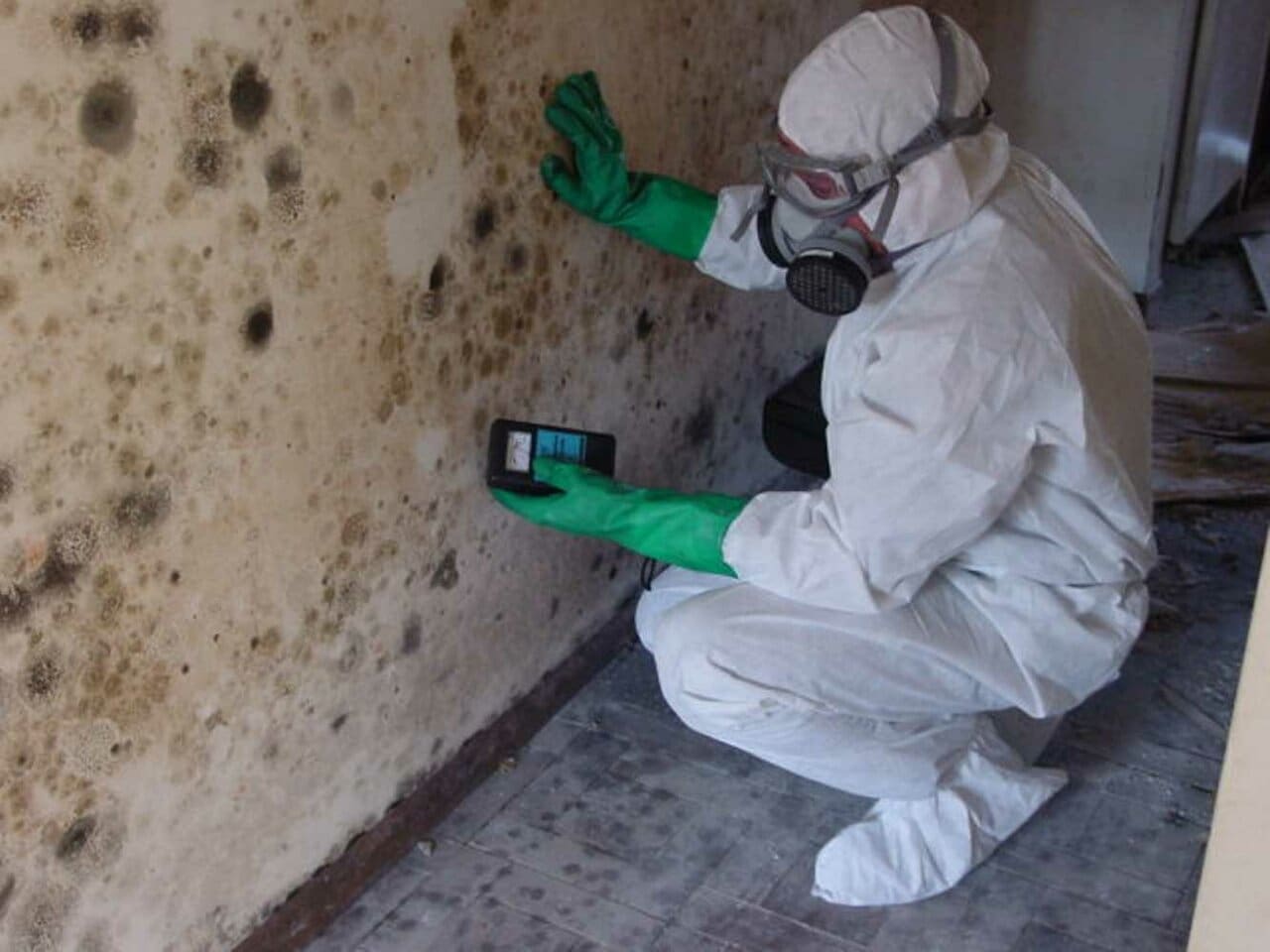
Water damage creates immediate and long-lasting mold risks. Even minor leaks can lead to mold growth within 24–48 hours if moisture is not properly dried.
High-risk leak sources include:
- Roof penetrations and flashing failures
- Plumbing connections behind walls
- Appliance supply lines
- Basements and crawl spaces
- Window and door seals
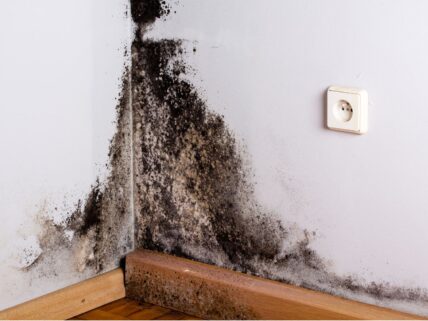
Often, mold growth remains hidden behind walls or under flooring while odors seep into living spaces. A persistent musty smell is frequently the first indicator of concealed moisture damage.
Professional odor remediation services, such as those provided by OdorPros, are often required when mold odors have penetrated structural materials or HVAC systems.
Poor Ventilation and Stagnant Airflow
Ventilation controls how moisture and airborne contaminants move through a home. Without adequate airflow, damp air becomes trapped, allowing mold to flourish.
Problem areas commonly include:
- Bathrooms without exhaust fans
- Kitchens with recirculating range hoods
- Basements and laundry rooms
- Closets and enclosed storage areas
Mechanical ventilation, properly vented exhaust fans, and routine HVAC maintenance help prevent stagnant conditions. Improved airflow not only inhibits mold growth but also supports effective musty odor removal by preventing odor molecules from settling into surfaces.
Inadequate Insulation and Thermal Bridging
Improper insulation creates uneven temperature zones that encourage condensation. When warm, moisture-laden air contacts cold surfaces, water droplets form—providing mold with the moisture it needs.
High-risk locations include:
- Attics and roof decks
- Exterior wall cavities
- Basements and crawl spaces
- Poorly insulated ductwork
Thermal bridging, where heat escapes through framing or structural elements, further increases condensation risk. Sealing air leaks and upgrading insulation reduces moisture accumulation and minimizes the likelihood of mold-related odors developing behind finished surfaces.
Organic Materials, Dust, and Household Debris
Mold feeds on organic matter. Common household materials serve as nutrient sources, including:
- Wood and drywall paper backing
- Cardboard and stored paper products
- Carpets, upholstery, and fabrics
- Dust, pet dander, and skin cells
Even in dry conditions, dust accumulation can support mold growth if moisture is introduced later. Regular cleaning, HEPA vacuuming, and surface dust control are essential components of mold prevention and long-term odor management.
Why Mold Odors Persist Even After Cleaning
Many homeowners are surprised to find that mold odors linger after visible mold is removed. This occurs because:
- Odor-causing compounds penetrate porous materials
- HVAC systems distribute odor molecules throughout the home
- Traditional cleaners do not neutralize microbial gases
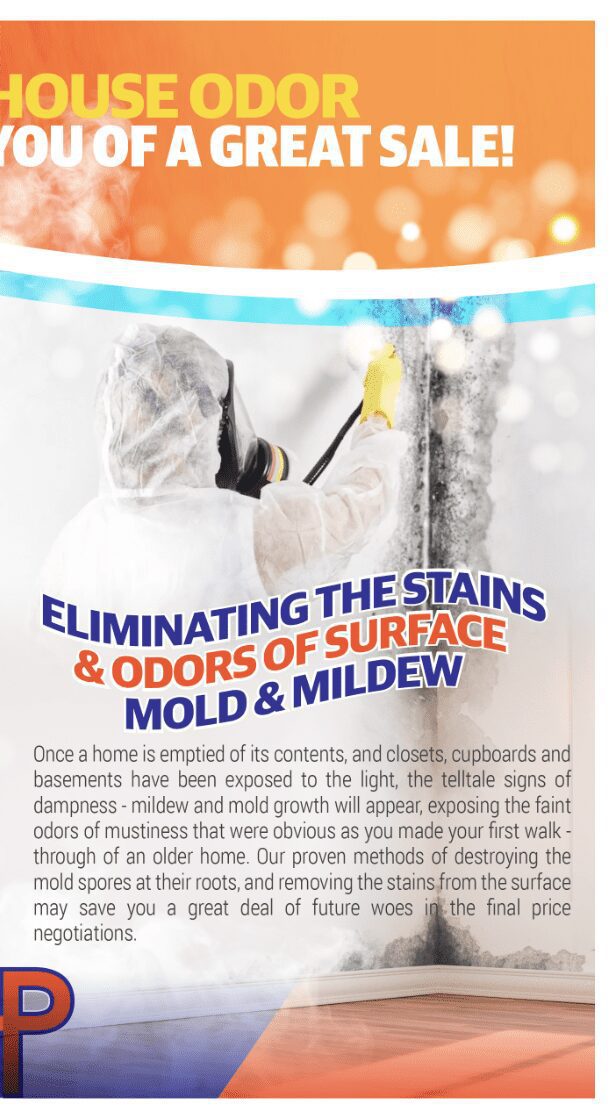
Advanced odor removal methods—such as chlorine dioxide treatments, hydroxyl generation, or ozone-free molecular neutralization—are often required to fully eliminate mold-related odors at the source.
Keeping Your Home Mold-Free Long Term
Preventing mold is not a one-time task but an ongoing process of moisture management, inspection, and maintenance.
Key prevention strategies include:
- Maintaining indoor humidity below 50%
- Addressing leaks immediately
- Ensuring proper ventilation in moisture-prone areas
- Upgrading insulation where condensation occurs
- Keeping indoor surfaces clean and dry
When mold odors persist or contamination is suspected beyond visible areas, professional odor remediation services like those offered by OdorPros ensure both the odor and its microbial source are fully addressed.
A mold-free home is not just cleaner—it is healthier, more comfortable, and protected against long-term structural damage.
Also Read 👉🏼How Long Does It Take to Completely Remove Odors from a Home?
FAQs
1. What is the main cause of mold growth in homes?
Excess moisture from humidity, leaks, or water damage is the primary cause of mold growth.
2. Can mold grow without visible water damage?
Yes. High humidity and condensation alone can support mold growth even without obvious leaks.
3. Why does mold create a musty odor?
Mold releases microbial volatile organic compounds (mVOCs), which produce the characteristic musty smell.
4. Is mold odor dangerous to breathe?
Mold odors may indicate airborne spores or microbial gases that can irritate respiratory systems and trigger allergies.
5. Will cleaning with bleach remove mold odors?
Bleach may remove surface stains but does not neutralize odor-causing gases or hidden mold growth.
6. How fast can mold grow after a leak?
Mold can begin growing within 24 to 48 hours of water exposure.
7. Does insulation really affect mold growth?
Yes. Poor insulation causes condensation, which creates moisture for mold to thrive.
8. Can HVAC systems spread mold odors?
Yes. Mold-contaminated ductwork can distribute odors throughout the home.
9. How do professionals remove mold odors permanently?
Professionals use advanced odor neutralization technologies that break down odor molecules at a molecular level.
10. When should I call an odor removal specialist?
If musty odors persist after cleaning or return repeatedly, professional odor remediation is recommended.