Eliminating Musty Odors in Your Home
Musty odors are more than an unpleasant nuisance—they are often a warning sign that moisture, microbial growth, or air circulation problems exist inside your home. That damp, earthy smell doesn’t just affect comfort; it can signal conditions that compromise indoor air quality and long-term structural health.
Understanding where musty odors come from is the first step toward eliminating them. Once the source is identified, targeted remediation can restore freshness, protect your living environment, and prevent recurring odor problems. OdorPros specializes in addressing musty odors at the source—not masking them—so homes stay clean, dry, and healthy.
Why Musty Odor Removal Matters
Musty odors typically indicate trapped moisture, mold spores, or mildew activity. These odors often develop gradually, making them easy to ignore—until they become persistent.
Left untreated, musty odors can:
• Degrade indoor air quality
• Trigger headaches, fatigue, and respiratory irritation
• Worsen allergies and asthma symptoms
• Signal hidden moisture damage behind walls or flooring
Effective musty odor removal improves comfort, protects health, and helps prevent larger remediation issues down the road. Removing the odor without addressing the moisture source is only a temporary fix—true odor control requires a root-cause solution.
Also Read 👉🏼Eliminating Musty Odors Permanently: Why ClO₂ Is the Gold Standard in 2026
Common Causes of Musty Odors in Homes
Excess Moisture
Excess moisture is the most common driver of musty odors. Water intrusion creates the perfect environment for odor-causing microbes to thrive.
Common moisture sources include:
• Roof or plumbing leaks
• High indoor humidity
• Condensation on windows and walls
• Flooding or water damage
• Poor drainage around the foundation
Controlling moisture through leak repairs, dehumidification, and proper drainage is essential to preventing musty smells from developing or returning.
Mold and Mildew Growth
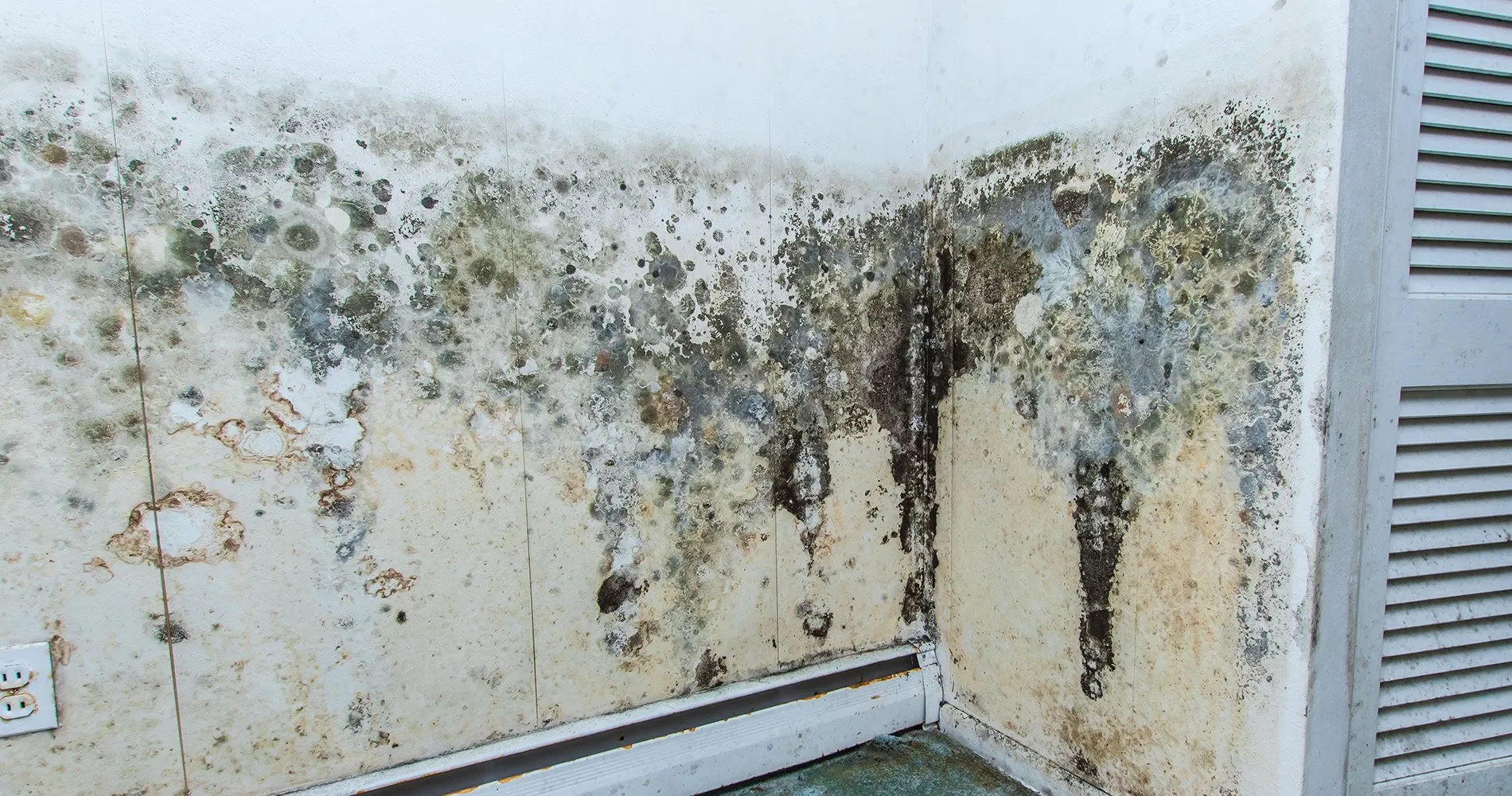
Mold and mildew release microbial volatile organic compounds (MVOCs) that produce the classic musty smell. These organisms thrive in dark, damp, and poorly ventilated areas such as:
• Bathrooms
• Basements
• Attics
• Crawl spaces
• Behind walls or under flooring
Even small, hidden mold colonies can generate strong odors. While surface cleaning may reduce visible growth, professional remediation is often needed to fully eliminate odor-producing contamination.
Poor Ventilation
Poor airflow traps moisture and stale air, allowing odors to accumulate and intensify. Without proper ventilation, humidity lingers and odors remain suspended indoors.
Improving ventilation helps by:
• Reducing moisture buildup
• Preventing stagnant air pockets
• Limiting mold and mildew growth
• Enhancing overall indoor air quality
Bathrooms, kitchens, basements, and laundry areas are especially vulnerable without adequate airflow management.
Specific Scenarios That Commonly Produce Musty Odors
Basement Mustiness
Basements are particularly prone to musty odors due to limited airflow, groundwater seepage, and elevated humidity levels. Even minor moisture intrusion can create persistent odors.
Effective solutions include sealing leaks, using dehumidifiers, improving ventilation, and treating contaminated materials. Proper storage practices—such as using plastic bins instead of cardboard—also help prevent odor absorption.
Attics and Crawl Spaces
Attics and crawl spaces often harbor hidden moisture issues caused by roof leaks, poor insulation, or inadequate ventilation. Because these spaces are rarely accessed, musty odors may go unnoticed until they spread throughout the home.
Professional inspection and moisture control are often required to resolve odors originating from these structural areas.
Seasonal and Weather-Related Factors

Rainy seasons, snowmelt, and humid summers increase moisture intrusion risk. Elevated humidity amplifies musty odors and accelerates microbial growth.
Seasonal odor prevention strategies include:
• Monitoring indoor humidity
• Using dehumidifiers during wet months
• Promptly drying wet materials
• Inspecting for leaks after storms
Consistent seasonal maintenance helps prevent odor flare-ups year-round.
How to Detect Musty Odors Early
Common Signs and Symptoms
Musty odors often resemble damp laundry or wet earth. They are commonly noticed in enclosed or low-airflow areas such as closets, basements, or under sinks.
Warning signs include visible condensation, discoloration, peeling paint, or persistent dampness. Early detection allows for faster, less invasive remediation.
Odor and Moisture Detection Tools
Professional-grade detection tools help identify hidden odor sources:
• Moisture meters detect water inside walls and flooring
• Hygrometers measure indoor humidity levels
• Infrared imaging identifies temperature differences caused by moisture
These tools allow technicians to locate odor sources precisely—without unnecessary demolition.
Preventing Musty Odors Before They Start
Regular Home Maintenance
Routine inspections and cleaning prevent small moisture issues from becoming odor problems. Key practices include fixing leaks promptly, maintaining gutters, and servicing HVAC systems regularly.
Replacing air filters, vacuuming carpets, and keeping surfaces clean reduce odor-absorbing materials throughout the home.
Also Read 👉🏼What Causes Mold Growth in Homes? | OdorPros Mold Odor Experts
Improving Indoor Air Quality
Good indoor air quality limits odor persistence. Increasing airflow, using air purifiers, and managing humidity all contribute to fresher indoor environments.
Dehumidifiers are particularly effective in moisture-prone areas, while proper ventilation removes stale air before odors can settle.
When to Call OdorPros for Professional Help
If musty odors persist despite cleaning and moisture control efforts, professional intervention is recommended. Extensive mold growth, structural moisture issues, or recurring odors often require advanced odor neutralization and remediation techniques.
OdorPros uses proven, science-based odor removal methods designed to eliminate musty odors at their source—safely and effectively.
Proactive, Consistent Steps Create a Healthier Home
Musty odors do not disappear on their own. They signal underlying conditions that require attention. By identifying moisture sources, improving airflow, maintaining cleanliness, and seeking professional help when needed, homeowners can permanently eliminate musty odors and protect indoor air quality.
A fresh-smelling home is not just more comfortable—it’s healthier.
(FAQS)
1. What causes musty odors in homes?
Excess moisture, mold growth, mildew, and poor ventilation are the primary causes.
2. Can musty odors be harmful to health?
Yes. They can trigger headaches, respiratory irritation, and worsen allergies or asthma.
3. Will air fresheners remove musty smells?
No. They mask odors temporarily but do not remove the source.
4. Are basements the most common source of musty odors?
Yes, due to humidity, limited airflow, and groundwater intrusion.
5. How do dehumidifiers help with musty odors?
They reduce moisture levels that allow odor-causing microbes to grow.
6. Can mold exist without visible signs?
Yes. Mold can grow behind walls, under flooring, or in HVAC systems.
7. How quickly should leaks be repaired?
Immediately. Even small leaks can lead to odor and mold problems.
8. Does poor ventilation worsen musty smells?
Yes. Stagnant air traps moisture and odor compounds.
9. When should professional odor removal be considered?
When odors persist after cleaning or reoccur frequently.
10. Can musty odors return after treatment?
They can if moisture control is not maintained.