8 Essential Steps to Completely Remove Smoke Odors (Not Just Cover Them Up)
Smoke odor is one of the most stubborn and deceptive problems in any home or building. It doesn’t just sit on surfaces—it penetrates deep into porous materials like drywall, wood, insulation, and fabrics. That’s why so many DIY attempts fail… they treat what you can smell, not what’s actually causing it.
If you want smoke odor **gone—not masked, not reduced, but eliminated at the source—**you need a systematic approach.
Here’s the real process professionals follow 👇
Step 1: Identify the Source (Not Just the Smell)

Before anything gets cleaned, you need to understand where the odor is living.
Smoke residue (soot and odor compounds) typically embeds into:
- Drywall and ceilings
- HVAC systems and ductwork
- Carpet and padding
- Upholstery and soft materials
- Cabinets, trim, and porous wood
👉 If you skip this step, you’ll clean surfaces while the odor keeps bleeding back from hidden areas.
Also Read How Long Does It Take to Completely Remove Odors from a Home?
Step 2: Remove Loose Soot and Surface Residue
Dry particulate removal comes first—always.
Use:
- HEPA vacuum systems
- Dry chemical sponges (for soot lifting)
Why this matters:
- Wet cleaning too early can smear soot deeper into surfaces
- Removing dry residue reduces how much odor gets reactivated later
Step 3: Deep Clean All Hard Surfaces
Now you move into actual cleaning.
Use professional-grade cleaners designed to break down smoke residue:
- Alkaline cleaners (for grease-based smoke)
- Surfactant-based degreasers
Clean:
- Walls, ceilings, and trim
- Cabinets and fixtures
- Floors and non-porous surfaces
👉 This step removes surface contamination, but not what’s embedded deeper.
Step 4: Treat Soft and Porous Materials
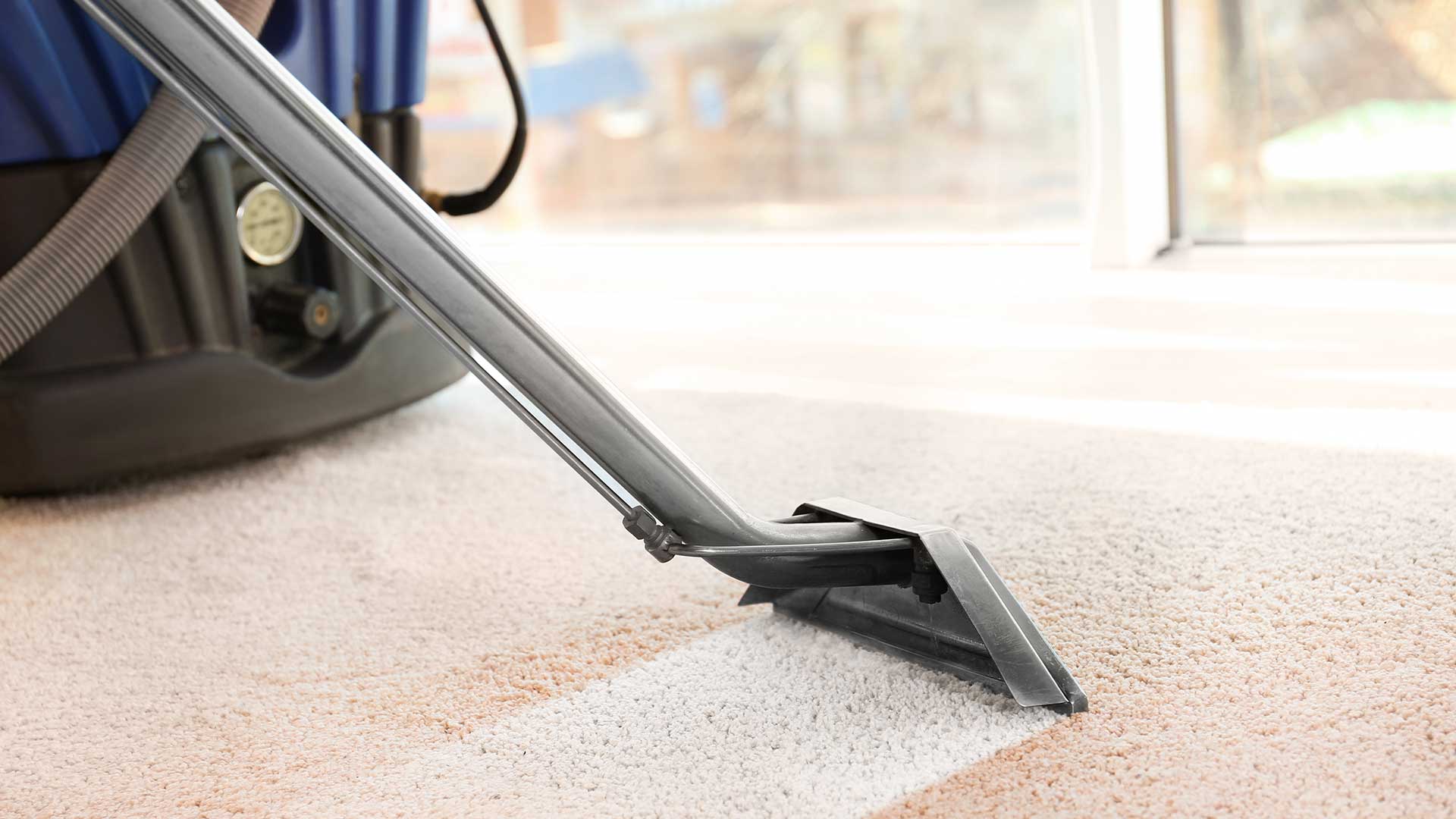
Smoke loves soft materials.
Address:
- Carpet and padding (often requires replacement if heavily saturated)
- Upholstery and drapes
- Clothing and linens
- Methods include:
- Hot water extraction
- Specialized odor-neutralizing treatments
⚠️ Reality check: If materials are heavily saturated, replacement is often more effective than repeated cleaning.
Step 5: HVAC System Cleaning
This is one of the most overlooked steps—and one of the biggest reasons odors come back.
- Smoke particles travel and settle inside:
- Ductwork
- Air handlers
- Filters and coils
- If untreated, your HVAC system becomes a distribution system for odor.
👉 Professional duct cleaning and filter replacement are critical here.
Also Read How To Remove Smoke Odor From Books?
Step 6: Apply Oxidation-Based Odor Neutralizers (ClO₂ Treatment)
This is where real odor elimination begins.
- Oxidation-based cleaners—especially chlorine dioxide (ClO₂)—work by:
-
Breaking down odor molecules at the chemical level
-
Neutralizing smoke compounds instead of masking them
Unlike fragrances or basic cleaners:
✔ They eliminate odor-causing compounds
✔ They reach into micro-surfaces and pores
✔ They stop the odor cycle at its source
This step is typically applied as:
- Liquid treatments for surfaces
- Fogging for broader coverage
Step 7: Gaseous ClO₂ Treatment (Full Penetration Odor Removal)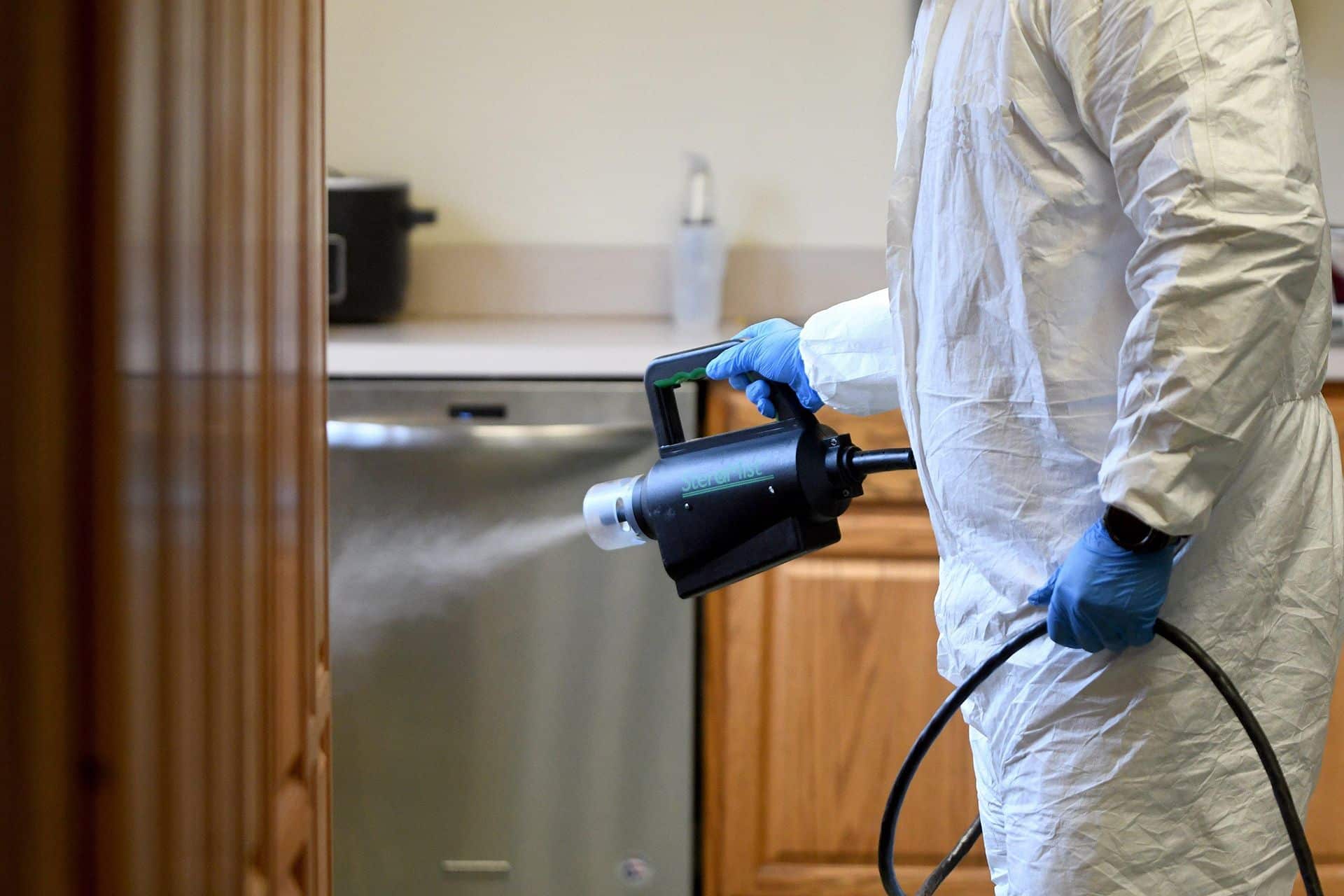
Now we go deeper—the step most DIY methods completely miss.
Using chlorine dioxide in a gaseous state allows for:
- Full-room penetration
- Access into wall cavities, insulation gaps, and hidden voids
- Treatment of areas you physically cannot clean
Why this matters:
Smoke odor isn’t just on surfaces—it’s inside materials.
- Gas-phase ClO₂:
- Expands into every corner of the structure
- Neutralizes embedded odor molecules at the source
- Reaches areas behind walls, under flooring, and inside porous materials
👉 This is the difference between:
- “It smells better”
vs. - “The odor is actually gone”
Step 8: Seal and Paint (Only After Odor Removal Is Complete)
Painting too early is one of the biggest mistakes people make.
If odor remains:
- It will bleed through paint
- It can reactivate over time
You’ll end up repainting (and paying twice)
Once odor is fully eliminated:
- Apply odor-blocking primer (if needed)
- Then repaint surfaces
👉 Paint should be the final cosmetic step—not the solution to odor.
Why Most Smoke Odor Removal Fails
Let’s call it out clearly:
❌ Covering odor with paint
❌ Using air fresheners or ozone alone
❌ Cleaning only visible surfaces
❌ Skipping HVAC and deep material treatment
All of these lead to one outcome:
👉 The smell comes back.
Also Read Why Does Smoke Odor Linger in Offices—and How Does It Affect Health and Productivity?
The Real Outcome When Done Right
When the process is done correctly:
✔ Odor is eliminated—not masked
✔ Indoor air quality improves
✔ Property value and usability are restored
✔ Buyers, tenants, or occupants regain confidence in the space
Final Thought
Smoke odor is a source problem, not a surface problem.
If you can still smell it, something is still there.
And until that source is neutralized—chemically and completely—it’s only a matter of time before it comes back.
Smoke Odor Removal – FAQs
1. How do you permanently remove smoke odor from a house?
Smoke odor is removed by eliminating the source, not covering it. This requires deep cleaning, oxidation treatments like chlorine dioxide (ClO₂), and gas-phase penetration to neutralize odor molecules embedded in materials.
2. Will smoke smell eventually go away on its own?
No. Smoke odor can linger indefinitely because it embeds into porous materials like drywall, wood, and fabrics. Without proper treatment, it may fade temporarily but will continue to return.
3. Does painting over smoke odor work?
Painting alone does not remove smoke odor. If the odor source isn’t eliminated first, it can bleed through paint over time. Proper cleaning and odor neutralization must happen before sealing and painting.
4. What is the most effective method for removing smoke odor?
The most effective method combines deep cleaning with oxidation-based treatments like chlorine dioxide (ClO₂), especially in gaseous form, which penetrates hidden areas and neutralizes odor at the molecular level.
5. How long does it take to remove smoke odor completely?
It depends on the severity and materials affected. Light odors may take a day or two, while heavy smoke contamination can require several days of cleaning, treatment, and air processing.
6. Can smoke odor be removed from walls and ceilings?
Yes, but it requires more than surface cleaning. Walls and ceilings must be cleaned, treated with odor-neutralizing agents, and sometimes sealed after full odor removal to prevent recurrence.
7. Is chlorine dioxide (ClO₂) safe for odor removal?
When used professionally and according to proper protocols, ClO₂ is an effective and controlled method for neutralizing odors. It targets odor molecules without relying on fragrances or masking agents.
8. Why does smoke odor come back after cleaning?
Odor returns when the source wasn’t fully removed. Residue left in porous materials, HVAC systems, or hidden spaces continues releasing odor molecules back into the air.
9. Can HVAC systems hold smoke odor?
Yes. Smoke particles often settle inside ductwork and air systems, which can continuously circulate odor throughout the property if not properly cleaned and treated.
10. Do air fresheners or ozone machines remove smoke odor?
No. Air fresheners only mask odor, and ozone alone often doesn’t fully eliminate embedded smoke contamination. True removal requires source-level treatment and chemical neutralization.